Sustainable Flourishing

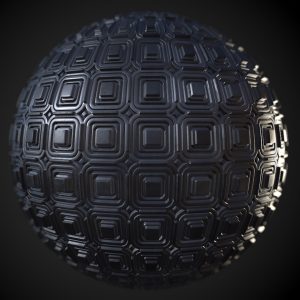
Futuristic Cube Metal PBR Material - Texture Download

Futuristic Cube Metal PBR Material - Texture Download

This surprising building material is strong, cheap, and sustainable– www.sciencedaily.com
Source Link
Excerpt:

Engineers in Australia have developed a new building material with about one quarter of concrete’s carbon footprint, while reducing waste going to landfill.

This innovative material, called cardboard-confined rammed earth, is composed entirely of cardboard, water and soil – making it reusable and recyclable.

In Australia alone, more than 2.2 million tons of cardboard and paper are sent to landfill each year. Meanwhile, cement and concrete production account for about 8% of annual global emissions.

Cardboard has previously been used in temporary structures and disaster shelters, such as Shigeru Ban’s iconic Cardboard Cathedral in Christchurch, New Zealand.

Inspired by such designs, the RMIT University team has, for the first time, combined the durability of rammed earth with the versatility of cardboard.

Quantum internet inches closer thanks to new chip — it helps beam quantum signals over real-world fiber optic cables– www.livescience.com
Source Link
Excerpt:

Scientists have sent quantum signals over standard fiber-optic cables using the same connectivity that powers today’s web, in what could be a major step towards a working quantum internet.

In a study published Aug. 28 in the journal Science, researchers used a custom-built quantum chip to package quantum data alongside a standard optical signal and transmit them over commercial infrastructure.

“Unlike earlier experiments that required isolated, lab-based setups or specialized infrastructure, this approach integrates quantum communication into real-world networks for the first time,” senior study author Liang Feng, professor of materials science and electrical engineering at the University of Pennsylvania, told Live Science in an email.

“Our Q‑Chip enables control of quantum signals and classical signals, so they travel together over the same fiber‑optic cables, using standard internet protocols.”

Buy glue gun india 2025

Buy glue gun india 2025

A handheld ‘bone printer’ shows promise in animal tests– www.sciencenews.org Source Link Excerpt:

A handheld device can apply synthetic bone grafts directly at the site of a defect or injury without the need for prior imaging or fabrication.

Researchers demonstrated the technology by modifying a hot glue gun to 3-D print the material directly onto bone fractures in rabbits. Instead of using a regular glue stick, they employed a specially made “bioink,” the team reports September 5 in Device.

The idea was to design a printing system that could be easily equipped and used in clinical settings, says biomedical engineer Jung Seung Lee of Sungkyunkwan University in Seoul, South Korea.

SpaceX launches 28 Starlink internet satellites from Florida’s Space Coast (video)– www.space.com
Source Link
Excerpt:

SpaceX launched its 119th Falcon 9 mission of the year today (Sept. 21), sending another batch of its Starlink internet satellites aloft from Florida’s Space Coast.

A Falcon 9 rocket topped with 28 Starlink spacecraft lifted off from Cape Canaveral Space Force Station today at 6:53 a.m. EDT (1053 GMT).

The Falcon 9’s first stage came back to Earth as planned about 8.5 minutes later, touching down on the SpaceX drone ship “A Shortfall of Gravitas,” which was stationed in the Atlantic Ocean.

Scientists build micromotors smaller than a human hair– www.sciencedaily.com
Source Link
Excerpt:

Researchers at the University of Gothenburg have made light-powered gears on a micrometer scale. This paves the way for the smallest on-chip motors in history, which can fit inside a strand of hair.

Gears are everywhere – from clocks and cars to robots and wind turbines. For more than 30 years, researchers have been trying to create even smaller gears in order to construct micro-engines. But progress stalled at 0.1 millimeters, as it was not possible to build the drive trains needed to make them move any smaller.

Researchers from Gothenburg University, among others, have now broken through this barrier by ditching traditional mechanical drive trains and instead using laser light to set the gears in motion directly.

Pet Mice: Guide to Caring for a Fancy Mouse - PetHelpful

Pet Mice: Guide to Caring for a Fancy Mouse - PetHelpful

Scientists grow synthetic kidneys inside mice– cosmosmagazine.com
Source Link
Excerpt:

While stem cell-derived kidney organoids promise to provide patient-specific models for disease research, and may even one day produce functional tissue for regenerative medicine, researchers have not yet been able to recreate the immense complexity of the organ’s patterning and functions.

Models tend to focus on either the kidney’s nephrons – functional units which filter blood and produce urine – or its collecting ducts, which concentrate urine and transport it to the bladder.

Now, researchers have brought these together in ‘assembloids’ which are the most mature and complex kidney structures grown in the lab to date.

Lab grown human kidney assembloid showing the formation of radial nephrons connected to a central collecting system. Credit: Pedro Medina, Li Lab

“This is a revolutionary tool for creating more accurate models for studying kidney disease, which affects one in 7 adults,” says corresponding author Zhongwei Li, associate professor of medicine, and stem cell biology and regenerative medicine at the University of Southern California, US.

“It’s also a milestone towards our long-term goal of building a functional synthetic kidney for the more than 100,000 patients in the US awaiting transplant – the only cure for end-stage kidney disease.”

Li and collaborators grew mouse and human assembloids from kidney progenitor cells in the lab and then transplanted them into the abdomens of living mice. There, the assembloids matured further – growing larger and developing connective tissue and blood vessels.


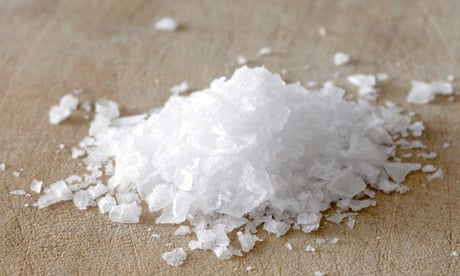
How the experts use salt in their cooking – and why | Food | The ...

How the experts use salt in their cooking – and why | Food | The ...

Harvard’s salt trick could turn billions of tons of hair into eco-friendly materials– www.sciencedaily.com
Source Link
Excerpt:

  • SEAS researchers have discovered the chemical mechanism by which certain salt compounds break down protein waste, like wool and feathers.
  • The discovery enables a gentler and more sustainable protein recycling process.

The textile and meat-processing industries produce billions of tons of waste annually in the form of feathers, wool and hair, all of which are rich in keratin – the strong, fibrous protein found in hair, skin and nails.

Turning all that animal waste into useful products – from wound dressings to eco-friendly textiles to health extracts – would be a boon for the environment and for new, sustainable industries. But upcycling proteins is challenging: Breaking down, or de-naturing, proteins into their component parts typically requires corrosive chemicals in large, polluting facilities, keeping any cost-effective protocol out of reach.

Researchers in the Harvard John A. Paulson School of Engineering and Applied Sciences (SEAS) have uncovered key fundamental chemistry of how proteins like keratin de-nature in the presence of certain salt compounds – an insight that could take protein recycling to the next level.

A team led by Kit Parker, the Tarr Family Professor of Bioengineering and Applied Physics at SEAS, combined experiments and molecular simulations to better illuminate the chemical mechanisms by which salts cause proteins to unfold. They’ve shown that a solution of concentrated lithium bromide, a salt compound known to break apart keratin, interacts with the protein molecules in a completely unexpected way – not by binding to the proteins directly, as was conventional wisdom, but by changing the structure of the surrounding water molecules to create a setting more favorable for spontaneous protein unfolding.

This insight allowed the researchers to design a gentler, more sustainable keratin extraction process, separating the protein out of solution easily and without the need for harsh chemicals. The process can also be reversed with the same salt mixture, enabling recovery and reuse of lithium bromide denaturants.
AI reveals how toughest protein bonds behave– cosmosmagazine.com
Source Link
Excerpt:

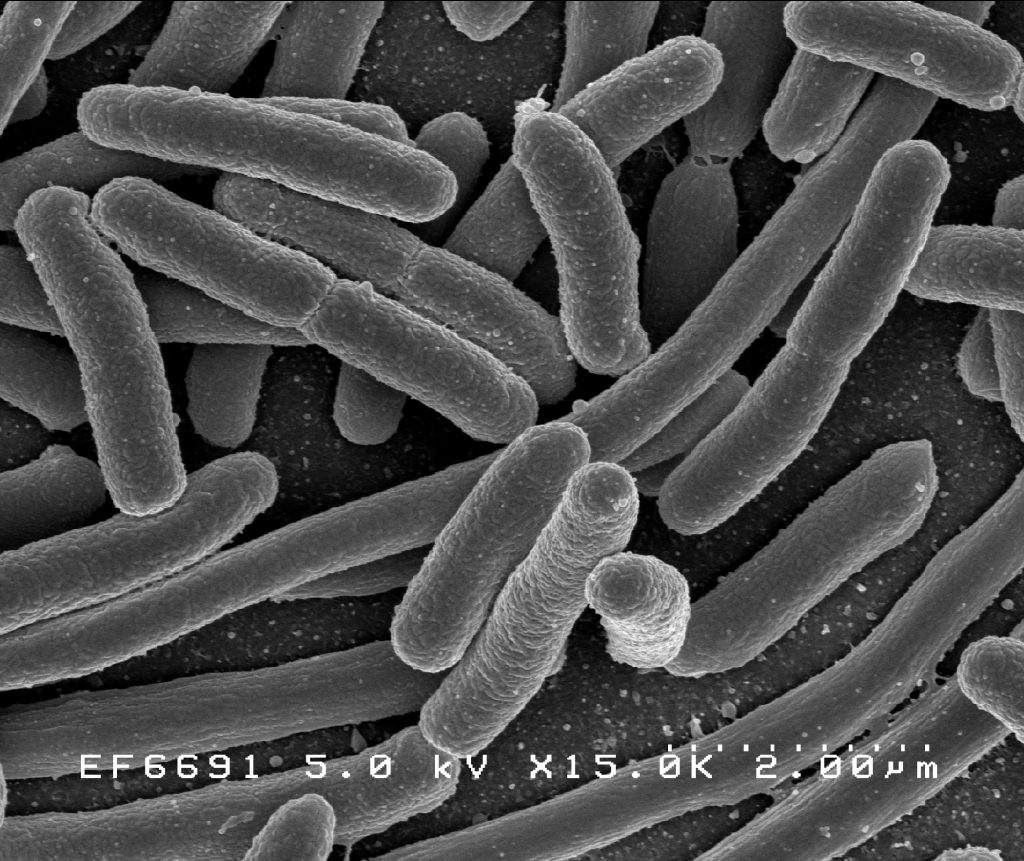
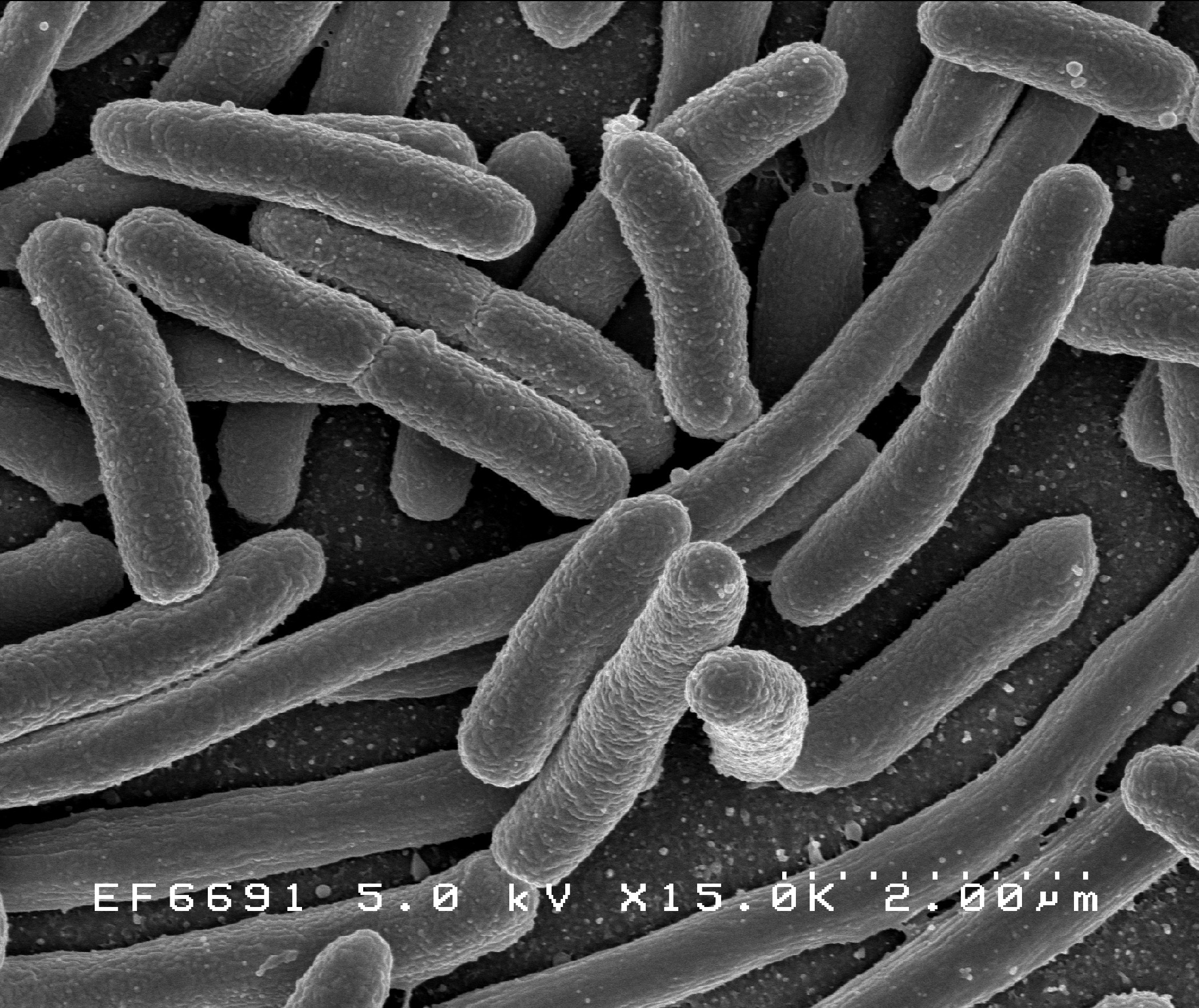
Proteins can form “catch-bonds” that tighten under force, much like a finger trap. Credit: Rafael C. Bernardi, Auburn Physics

Researchers have used artificial intelligence to help uncover how certain protein interactions act like a finger trap, gripping tighter the harder they are pulled.

These interactions, known as catch-bonds, are essential in how the body holds together under stress and how bacteria attach to cells.

The researchers suggest that a better understanding of these bonds could help inform the design of new medications and biomaterials.

Scientists have been unsure as to whether these catch-bonds activate straight away or if they need to be stretched to a certain threshold before they ‘switch on’.

The new study discovered that these bonds activate almost immediately after a force is applied.

Drug shows promise against aggressive cancers in trial– www.futurity.org
Source Link
Excerpt:

An immunotherapy drug eliminated aggressive cancers in a clinical trial, researchers report.

Over the past 20 years, a class of cancer drugs called CD40 agonist antibodies have shown great promise—and induced great disappointment. While effective at activating the immune system to kill cancer cells in animal models, the drugs had limited impact on patients in clinical trials and caused dangerously systemic inflammatory responses, low platelet counts, and liver toxicity, among other adverse reactions—even at a low dose.

But in 2018, the lab of Rockefeller University’s Jeffrey V. Ravetch demonstrated it could engineer an enhanced CD40 agonist antibody so that it improved its efficacy and could be administered in a manner to limit serious side effects.

The findings came from research on mice, genetically engineered to mimic the pathways relevant in humans. The next step was to have a clinical trial to see the drug’s impact on cancer patients.

Now the results from the phase 1 clinical trial of the drug, dubbed 2141-V11, appear in Cancer Cell. Of 12 patients, six patients saw their tumors shrink, including two who saw them disappear completely.

“Seeing these significant shrinkages and even complete remission in such a small subset of patients is quite remarkable,” says first author Juan Osorio, a visiting assistant professor in Ravetch’s Leonard Wagner Laboratory of Molecular Genetics and Immunology and a medical oncologist at Memorial Sloan Kettering Cancer Center.


Trauma focused therapy shows promise for children with PTSD– cosmosmagazine.com
Source Link
Excerpt:

A new study has demonstrated how a specific form of therapy can help improve symptoms in children living with post-traumatic stress disorder (PTSD), a mental health condition that develops after witnessing or experiencing a traumatic event.

Researchers from the University of East Anglia in Norwich, England have examined the effectiveness of trauma-focused cognitive behavioural therapy (CBT) for treating young children who have been subjected to abuse, violence or serious accidents.

CBT is a treatment for mental health conditions that helps individuals to identify any negative thoughts they may have and teaches them self-help strategies to challenge and reduce these unhelpful thought patterns.

According to the World Health Organisation, roughly 3.9% of the world’s population has experienced PTSD at some stage in their life. While trauma-focused CBT is already used to help treat the disorder in adults, children who experience multiple traumas are often considered harder to treat.

“Recent research has shown that more than 7% of young people in the UK will have developed PTSD at some point by the age of 18,” says Richard Meiser-Stedman, the lead researcher of the study from the University of East Anglia, UK.

Scientists just made the first time crystal you can see– www.sciencedaily.com
Source Link
Excerpt:

Imagine a clock that doesn’t have electricity, but its hands and gears spin on their own for all eternity.

In a new study, physicists at the University of Colorado Boulder have used liquid crystals, the same materials that are in your phone display, to create such a clock — or, at least, as close as humans can get to that idea. The team’s advancement is a new example of a “time crystal.” That’s the name for a curious phase of matter in which the pieces, such as atoms or other particles, exist in constant motion.

The researchers aren’t the first to make a time crystal, but their creation is the first that humans can actually see, which could open a host of technological applications.

“They can be observed directly under a microscope and even, under special conditions, by the naked eye,” said Hanqing Zhao, lead author of the study and a graduate student in the Department of Physics at CU Boulder.


Fixing broken bones with a 3D-printing glue gun– cosmosmagazine.com
Source Link
Excerpt:

A new bone repair solution that could reduce surgery times might soon find its way onto the operating table, with researchers testing out a 3D-printing glue gun on rabbit bone fractures in a new study published in the journal Device.

They showed the glue gun device can print bone grafts directly onto fractures and breaks during surgery by quickly designing the graft on the spot.

Graphical abstract. Credit: Jeon et al. / Device (CC BY-SA)

Bone grafts and implants have historically been made from metal or donor bone, while some recent studies have also used 3D-printed material. When a bone has broken in irregular ways, these implants need to be carefully designed and produced prior to the surgery which can potentially extend waiting and surgery times.

This is not the case for the newly developed device.

Exotic quantum state of matter visualized for the first time ...

Exotic quantum state of matter visualized for the first time ...Source Link
Excerpt:

A new quantum state of matter has been found in a material which could be useful in building self-charging and deep-space quantum computers.

The phase of matter was independently theoretically predicted by several researchers in the mid-1960s. Its discovery in a lab experiment is published in the journal Physical Review Letters.

“It’s a new phase of matter, similar to how water can exist as liquid, ice or vapor,” says corresponding author Luis A. Jauregui, professor of physics & astronomy at the University of California, Irvine in the US.

Professor Luis Jauregui of the UC Irvine Department of Physics & Astronomy described how the new material he and his lab developed only exists in their labs. Credit: Steve Zylius / UC Irvine.

New biodegradable hydrogel offers eco-friendly alternative to ...

New biodegradable hydrogel offers eco-friendly alternative to ...Scientists make incredible breakthrough with bendable battery that could transform future tech: ‘Overcomes the usual limits’ – Yahoo! Tech
Source Link
Excerpt:

Researchers at the Chinese Academy of Sciences recently completed a study outlining their design and development of a hydrogel electrolyte that uses urea and zinc acetate to enable zinc-ion batteries to bend without losing voltage.

The study, published in the international edition of Angewandte Chemie, sought an alternative to conventional means of improving flexibility.

Quasi-solid-state electrolytes, for instance, encounter limitations in terms of cost, durability, and environmental impact — limitations overcome by the inexpensive, eco-friendly zinc acetate compound.

That’s not to say the researchers faced zero obstacles along the way.

Zinc acetate’s poor solubility, according to a summary published on Tech Xplore, interferes with performance, meaning the researchers needed to cultivate a “salting out” strategy — that is, removing hydration shells around polymer chains — in order to strengthen the electrolyte’s durability.

“This approach overcomes the usual limits of the low-cost [zinc acetate] salt, making it much better at resisting wear and tear,” noted researcher Li Zhaoqian. “It allows the material to withstand repeated processes of zinc plating and stripping, as well as other physical stress, improving its overall durability.”

Zinc-ion batteries are used in a range of applications, from smart technology to electric vehicles and renewable power storage, serving as a much more sustainable alternative to lithium-ion batteries, which tend to be expensive to source and contain hazardous pollutants.

6 Important Parts of the Immune System to Know | Alliance for ...

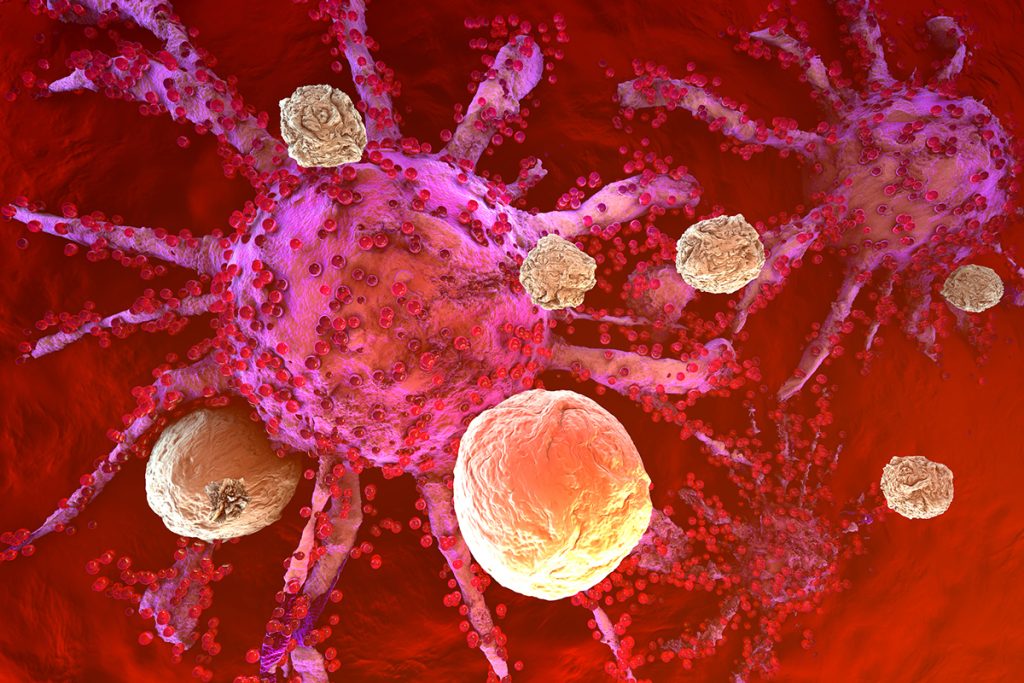
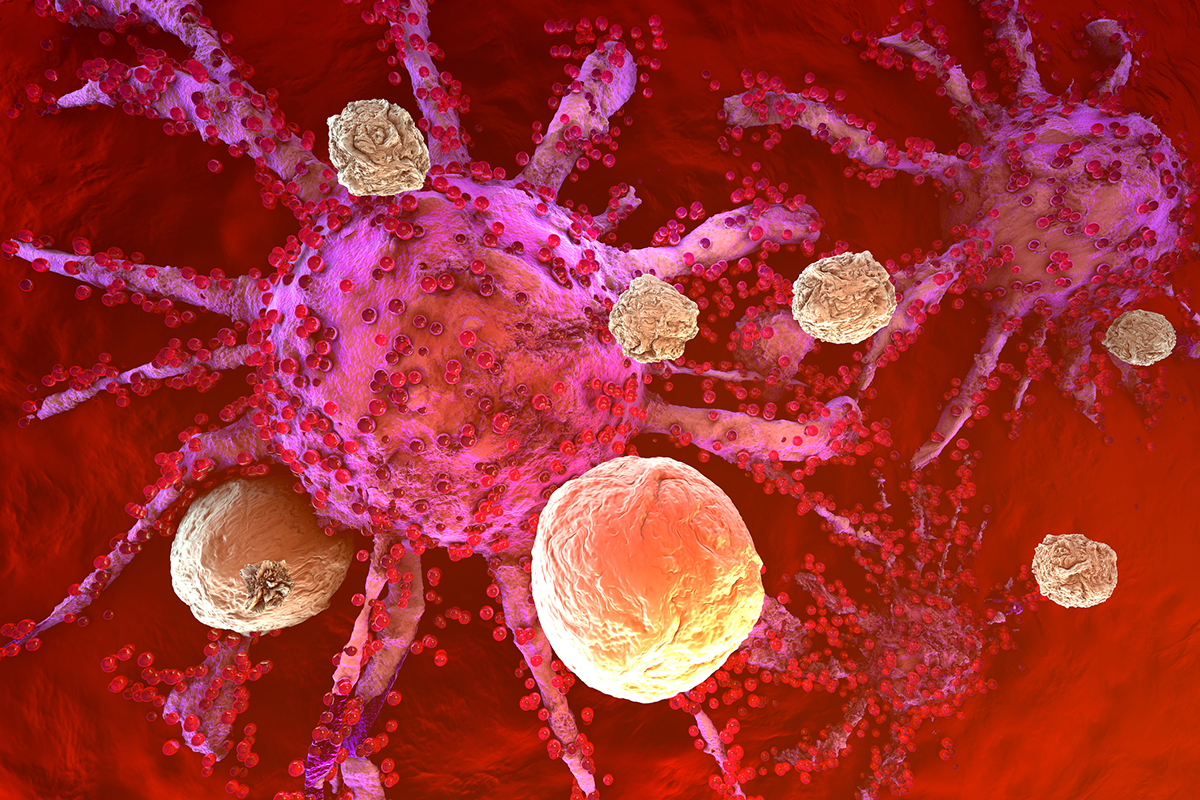
6 Important Parts of the Immune System to Know | Alliance for ...Breakthrough lung cancer treatment supercharges immune cells with mitochondria– www.sciencedaily.com
Source Link
Excerpt:

While chemotherapy remains a cornerstone of lung cancer treatment, it often weakens the immune system it relies on for long-term control. Now, researchers have found a way to turn this weakness into strength — by transplanting healthy mitochondria into the tumor environment. In advanced non-small cell lung cancer (NSCLC), combining mitochondrial transplantation with cisplatin not only enhanced immune cell infiltration but also reversed tumor metabolism and improved the drug’s effectiveness. This innovative approach transforms mitochondria from mere energy suppliers into active allies in cancer therapy, showing potential to reshape how we treat aggressive lung tumors.

Lung cancer causes more deaths than any other cancer worldwide, with non-small cell lung cancer (NSCLC) accounting for 85% of cases. Chemotherapy is the first-line treatment for advanced NSCLC, yet its effectiveness is hampered by toxic side effects and emerging resistance. Moreover, chemotherapy damages immune cells and reduces their presence in the tumor microenvironment, limiting long-term control. Adding to this challenge, tumors can hijack immune cell mitochondria through nanotube-like structures, further dampening immunity. Immunotherapy has improved outcomes for some, but many patients still fail to respond. Due to these limitations, there is a pressing need for strategies that restore immune power and metabolic balance during chemotherapy.


Source Link
Excerpt:

A research team at the Politecnico di Milano has developed an innovative single-atom catalyst capable of selectively adapting its chemical activity. This is a crucial step forward in sustainable chemistry and the design of more efficient and programmable industrial processes.

The study was published in the Journal of the American Chemical Society, one of the world’s most authoritative scientific journals in chemistry.

This achievement is a breakthrough in the field of single-atom catalysts. For the first time, scientists have demonstrated the possibility of designing a material that can selectively change its catalytic function depending on the chemical environment. It involves a sort of ‘molecular switch’ that allows complex reactions to be performed more cleanly and efficiently, using less energy than conventional processes.

Scientists make mind-blowing medical breakthrough using human waste: ‘This can be done easily‘ – The Cool Down

Source Link
Excerpt:

Researchers have developed engineered yeast that converts human waste into medical-grade material for tooth and bone implants, reported Interesting Engineering.

The development tackles two challenges at once. Untreated human waste threatens waterways by flooding them with excess nutrients. At the same time, demand for biocompatible implant materials continues to grow, with the market expected to hit $3.5 billion by 2030.

Scientists at the University of California, Irvine, and partner institutions have engineered “osteoyeast,” a modified organism that mimics the cells responsible for building bones naturally. The yeast processes urea, adjusting pH levels to trigger calcium and phosphate collection. These minerals crystallize into hydroxyapatite, the same substance found in human bones and teeth.

3D-Printed Brain Vessels Could Unlock New Stroke Treatments – techexplorist.com

Source Link
Excerpt:

Imagine the brain’s blood vessels as a bustling highway system, twisting, turning, and pulsing with life. Now picture a traffic jam in one of the most critical intersections: that’s what happens in cerebrovascular diseases, especially when stenosis (narrowing of blood vessels) blocks the flow.

Doctors have tools to clear the jam, like surgical rerouting, balloon angioplasty, and stents. These can help restore blood flow, but here’s the catch: they don’t rebuild the real complexity of the brain’s vascular network. It’s like fixing a highway with straight pipes when the brain needs winding mountain roads.

Traditional lab models? They’re often too simple. Static cultures and microfluidic chips can’t mimic the brain’s dynamic flow, flexible vessel walls, or biological responses. That’s like studying traffic patterns using toy cars on a flat board.

3D-printed patch could heal damaged areas of the heart –.futurity.org
Source Link
Excerpt:

A new type of cardiac patch could not only seal defective areas of the heart but also heal them.

Researchers have successfully implanted the patch in animals.

Following a heart attack, blood flow to the heart is interrupted and the resulting lack of oxygen can cause heart damage. The heart wall can rupture in severe cases, requiring immediate surgical intervention. Today, bovine pericardial patches are used to repair such heart defects owing to their stability, permeability, and ease of implantation.

A research team from ETH Zurich and the University Hospital of Zurich, led by Professor Robert Katzschmann and Professor Omer Dzemali, have developed a new three-dimensional heart patch for intraventricular implantation.

Seal and heal

New therapy treats carbon monoxide poisoning in minutes – futurity.org

Source Link
Excerpt:

Researchers have created a new protein therapy for carbon monoxide poisoning that could eventually be carried by emergency responders to immediately help patients.

More than 1,500 Americans die from carbon monoxide (CO) poisoning each year, and more than 50,000 seek emergency treatment.

Jesus Tejero, associate professor of medicine, and his lab at the University of Pittsburgh’s Heart, Lung, Blood, and Vascular Medicine Institute developed RcoM-HBD-CCC, a protein-based therapy for CO poisoning, with Mark Gladwin’s group at the University of Maryland.


Source Link
Excerpt:

Until now, additive manufacturing, commonly known as 3D printing, of engine components was limited by the lack of affordable metal alloys that could withstand the extreme temperatures of spaceflight. Expensive metal alloys were the only option for 3D printing engine parts until NASA’s Glenn Research Center in Cleveland, Ohio, developed the GRX-810 alloy.

The primary metals in the GRX-810 alloy include nickel, cobalt, and chromium. A ceramic oxide coating on the powdered metal particles increases its heat resistance and improves performance. Known as oxide dispersion strengthened (ODS) alloys, these powders were challenging to manufacture at a reasonable cost when the project started.

However, the advanced dispersion coating technique developed at Glenn employs resonant acoustic mixing. Rapid vibration is applied to a container filled with the metal powder and nano-oxide particles. The vibration evenly coats each metal particle with the oxide, making them inseparable. Even if a manufactured part is ground down to powder and reused, the next component will have the qualities of ODS.

Source Link
Excerpt:

A single quantum device could define all three units we use to understand electricity.

When you measure electricity, you need to find the flow’s current in amperes, its resistance in ohms and its voltage in volts. But before even getting started, researchers must agree on the size of each of these units. So far, this has required two separate quantum devices, and often, the costly and complicated task of visiting two separate laboratories.

Now, Jason Underwood at the National Institute of Standards and Technology (NIST) in Maryland and his colleagues have shown how we could instead characterise these units using a single device. “The idea of integrating those two quantum standards was always sort of a holy grail,” he says. “It’s been a long time coming. Like Sisyphus, we just kept pushing the rock up the hill.”